Choosing Your Bali Healing Retreat: A Comprehensive Guide
Bali has long been a magnet for those seeking solace, transformation, and holistic healing. Its spiritual heritage, lush landscapes, and vibrant culture create an ideal backdrop for deep personal work. However, the sheer number and variety of healing retreats available can make the selection process daunting. To ensure your investment in well-being is truly rewarding, it’s crucial to approach the choice with clarity and consideration. This guide will walk you through the essential factors for how to choose a retreat that genuinely meets your aspirations.
Matching the Retreat Theme to Your Needs
The first and most critical step is to identify what kind of healing you are seeking. Retreats in Bali specialise in a wide array of disciplines, each designed to address different aspects of well-being. Are you looking for a detox and cleanse, focusing on physical purification and nutritional reset? Perhaps a yoga and meditation retreat is more aligned with your desire for mental clarity, stress reduction, and spiritual connection. Some retreats focus on trauma healing, offering modalities like breathwork, psychotherapy, or somatic experiencing. Others might centre around creative expression, sound healing, or traditional Balinese spiritual practices. Before you even begin browsing, take some time for honest self-reflection. What are your primary goals for this experience? What challenges are you hoping to address, and what strengths do you wish to cultivate? Understanding your intentions will significantly narrow down your options and help you find a retreat whose philosophical approach and practical offerings resonate deeply with your personal journey.
Evaluating Reviews and Testimonials
Once you have a clearer idea of your desired retreat theme, turn your attention to what past participants have to say. Reviews and testimonials offer invaluable insights into the actual experience of a retreat. Look beyond generic five-star ratings and seek out detailed accounts. Pay attention to comments regarding the quality of instruction, the expertise and empathy of facilitators, the standard of accommodation, and the overall atmosphere. Are the reviews consistent? Do they address aspects that are important to you, such as dietary provisions, group dynamics, or the effectiveness of the healing modalities? Be wary of retreats with no reviews, or only overly enthusiastic, vague testimonials. A balanced perspective often includes constructive feedback, which can be just as informative as glowing praise. Independent review platforms and community forums can provide a more objective view than reviews solely published on the retreat's own website.
Considering Location and Environment
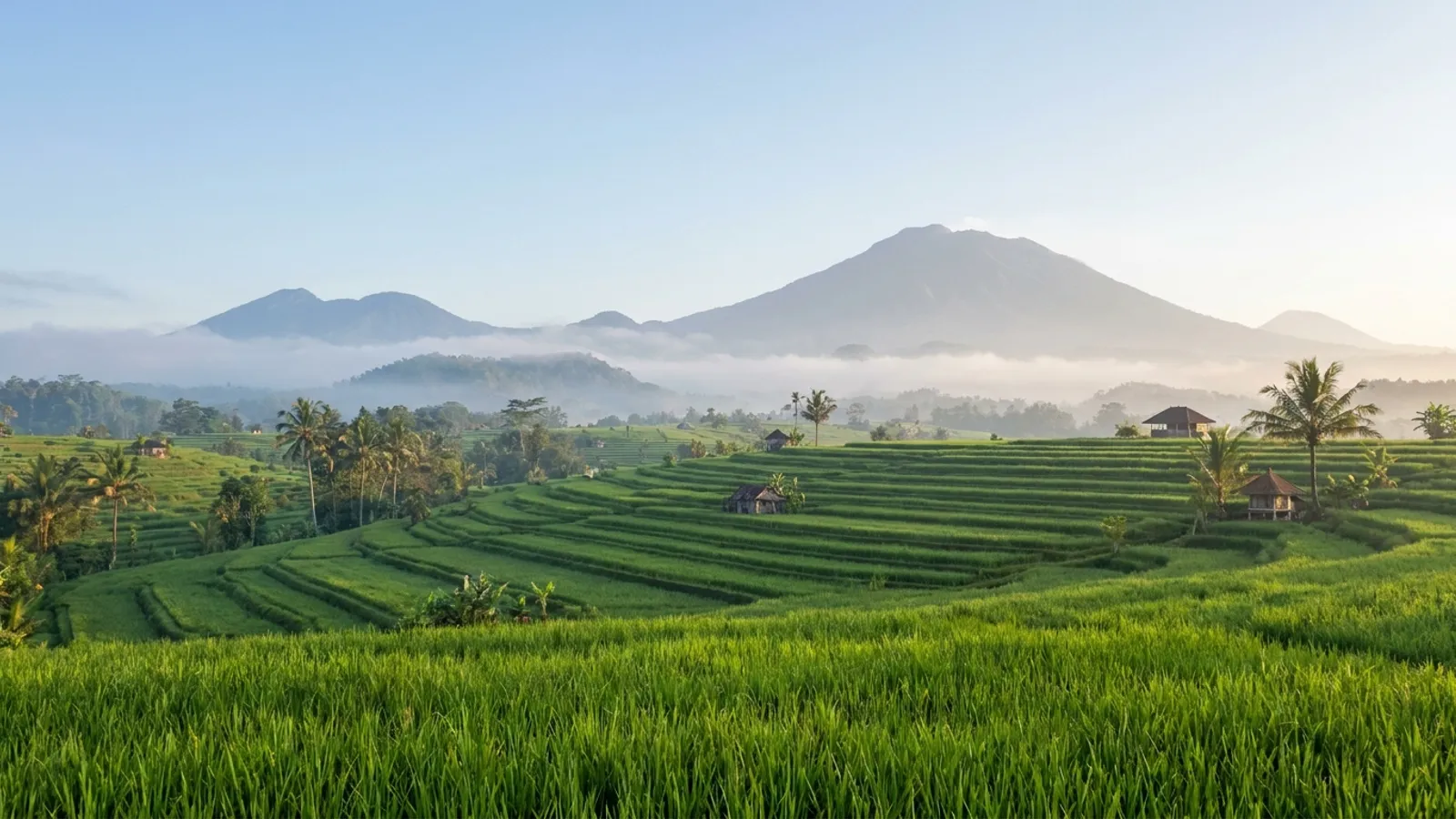
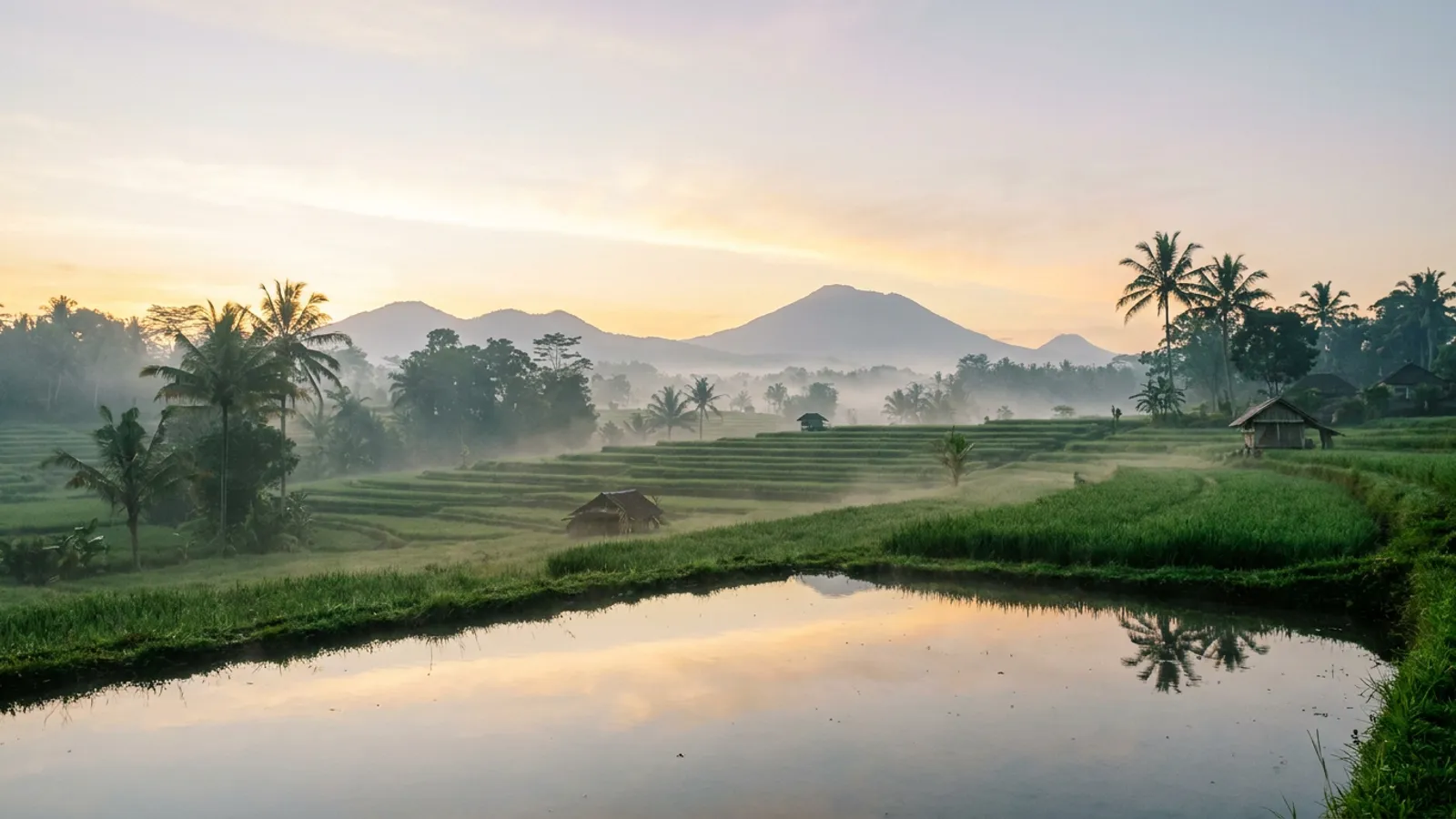
Bali offers a diverse range of environments, each with its own unique energy. The location of your retreat can significantly impact your experience. Do you envision a serene, secluded mountain hideaway in Ubud, surrounded by rice paddies and jungle, conducive to quiet contemplation and deep introspection? Or would you prefer a coastal setting, perhaps near Canggu or Sanur, allowing for ocean swims, beach walks, and the soothing rhythm of the waves? Consider accessibility: how far is the retreat from the airport, and what transportation options are available? Some retreats are intentionally remote, fostering a sense of disconnection from daily life, while others might be closer to cultural sites or amenities. Think about the kind of natural environment that best supports your healing and relaxation. The ambience of your surroundings plays a vital role in creating a conducive space for transformation.
Group Size and Personal Attention
The size of the retreat group can profoundly influence your experience. Do you thrive in intimate settings where personal attention is paramount, fostering deep connections with facilitators and fellow participants? Or do you prefer a larger group dynamic, which might offer more anonymity and a broader range of perspectives? Smaller retreats (typically under 10-12 participants) often allow for more individualised guidance, one-on-one sessions, and a greater sense of community. Larger retreats might offer a wider variety of workshops and a more diverse social environment, though personal attention may be less frequent. Reflect on your comfort level with group interaction and the extent to which you desire individual support. This choice is often a balance between cost, personal preference, and the specific nature of the healing work you intend to undertake. For a comprehensive overview of various options, you might find our guide to Bali healing retreats helpful.
Pricing and Inclusions: Understanding the Investment
Retreat prices in Bali vary widely, reflecting differences in accommodation, duration, number of facilitators, and included activities. It’s essential to thoroughly understand what is included in the stated price. Does it cover all meals, or only some? Are all workshops, classes, and individual sessions included, or are there additional costs for certain therapies? Does the price include airport transfers, excursions, or specific healing treatments? Be wary of seemingly low prices that might hide numerous add-on costs. Conversely, a higher price often reflects a more inclusive package, experienced facilitators, luxurious accommodation, or a more personalised programme. Compare what different retreats offer for their price point, and consider if the value aligns with your budget and expectations. Remember, this is an investment in your well-being, so choose a retreat that feels like good value for what it provides.
Red Flags to Avoid
While Bali is home to many reputable and transformative healing centres, it's also wise to be aware of potential red flags. Be cautious of retreats that make exaggerated or unrealistic claims of instant cures or guaranteed enlightenment. Healing is a process, not a quick fix. Avoid any retreat that pressures you into purchasing additional services or uses high-pressure sales tactics. Lack of transparency regarding facilitators' qualifications, programme details, or pricing should also raise concerns. Poor communication from the organisers before booking, vague itineraries, or an absence of clear cancellation policies are further indicators to consider. Trust your intuition; if something feels off, it probably is. Prioritise retreats that demonstrate professionalism, ethical practices, and a genuine commitment to participant well-being. For further guidance on planning your trip, explore our independent guide to Bali's best retreats.
Featured healing retreat
To begin your search for the perfect healing sanctuary, visit our curated list of recommended Bali healing retreats.