When to Visit Bali for a Healing Retreat: A Seasonal Guide
Bali, often called the 'Island of the Gods', has long been a magnet for those seeking spiritual solace, physical rejuvenation, and mental clarity. Its vibrant culture, stunning natural landscapes, and a plethora of dedicated wellness centres make it an ideal destination for a healing retreat. However, understanding the island's distinct seasons and their impact on your experience is crucial for planning an optimal visit. While Bali is beautiful year-round, the best time to visit Bali for a healing retreat depends significantly on your preferences regarding weather, crowd levels, and budget.
Understanding Bali's Climate: Dry vs. Wet Season
Bali experiences two primary seasons: the Dry Season and the Wet Season. These are dictated by the monsoon winds and significantly influence the island's weather patterns and, consequently, your retreat experience.
- Dry Season (April to October): Characterised by sunny days, lower humidity, and minimal rainfall. This is generally considered the peak tourist season due to the pleasant weather, making it ideal for outdoor activities, beach visits, and enjoying the island's natural beauty without interruption. The sea is typically calmer, offering excellent conditions for water-based activities.
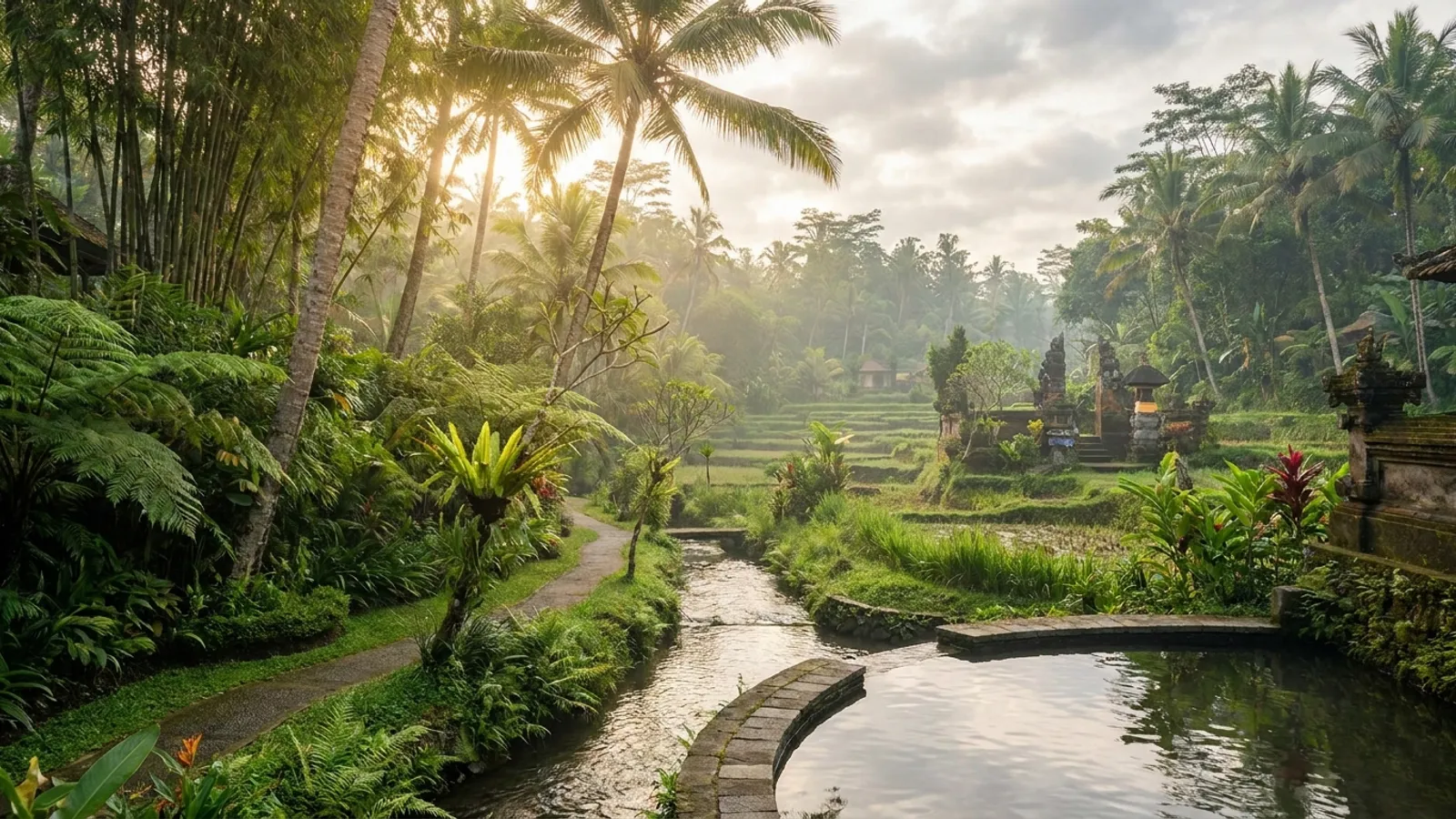
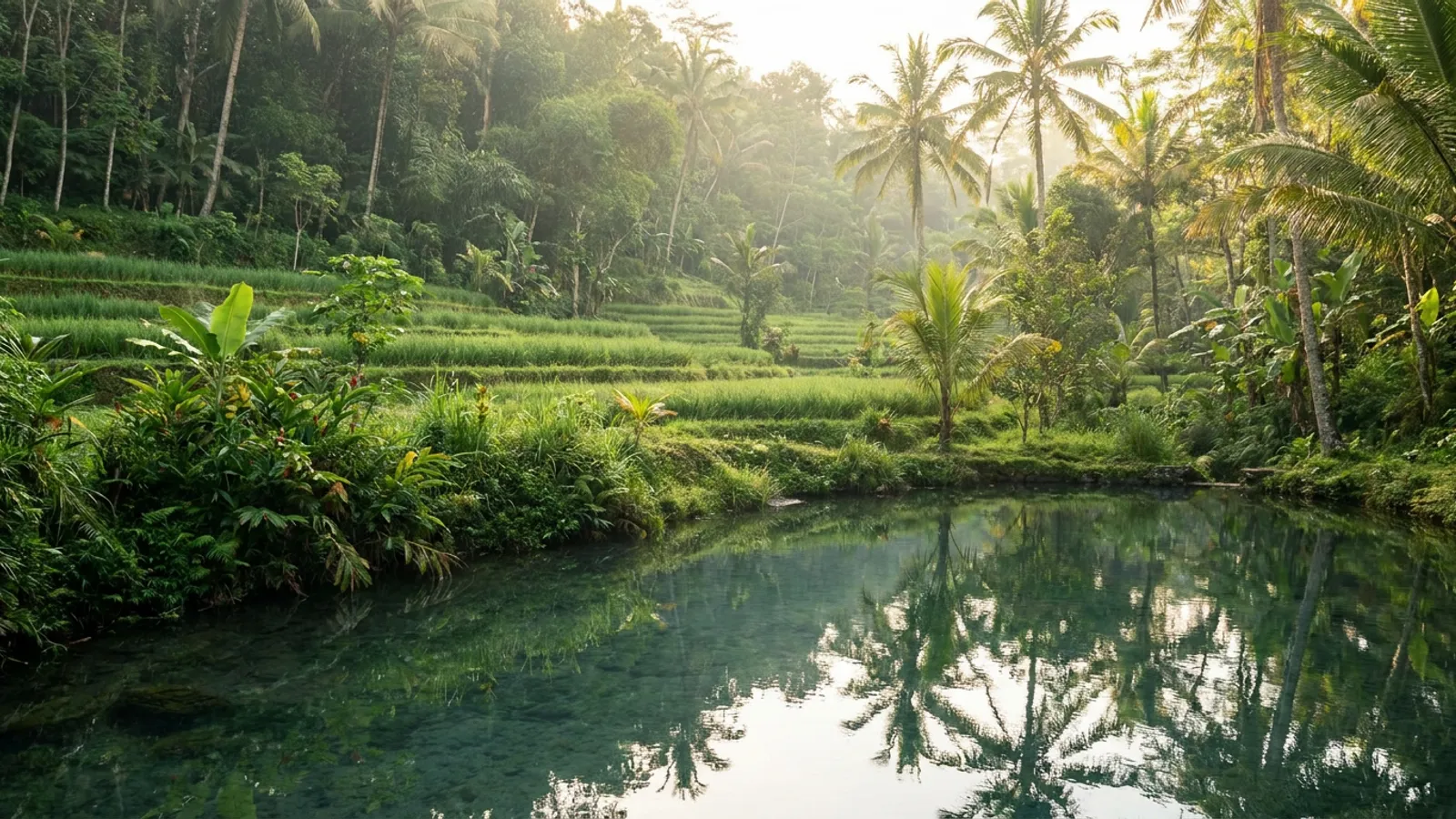
- Wet Season (November to March): Brings higher humidity, more frequent rainfall, and occasionally stronger winds. While often described as 'wet', this doesn't mean constant downpours. Rain typically comes in short, intense bursts, often in the afternoon, leaving plenty of sunshine throughout the day. The landscape becomes incredibly lush and green during this period, and fewer tourists make for a more tranquil atmosphere.
Month-by-Month Breakdown for Your Healing Retreat
Let's delve into what each month typically offers, helping you decide on the best time to visit Bali for your specific retreat needs.
April – June: The Shoulder Season Sweet Spot
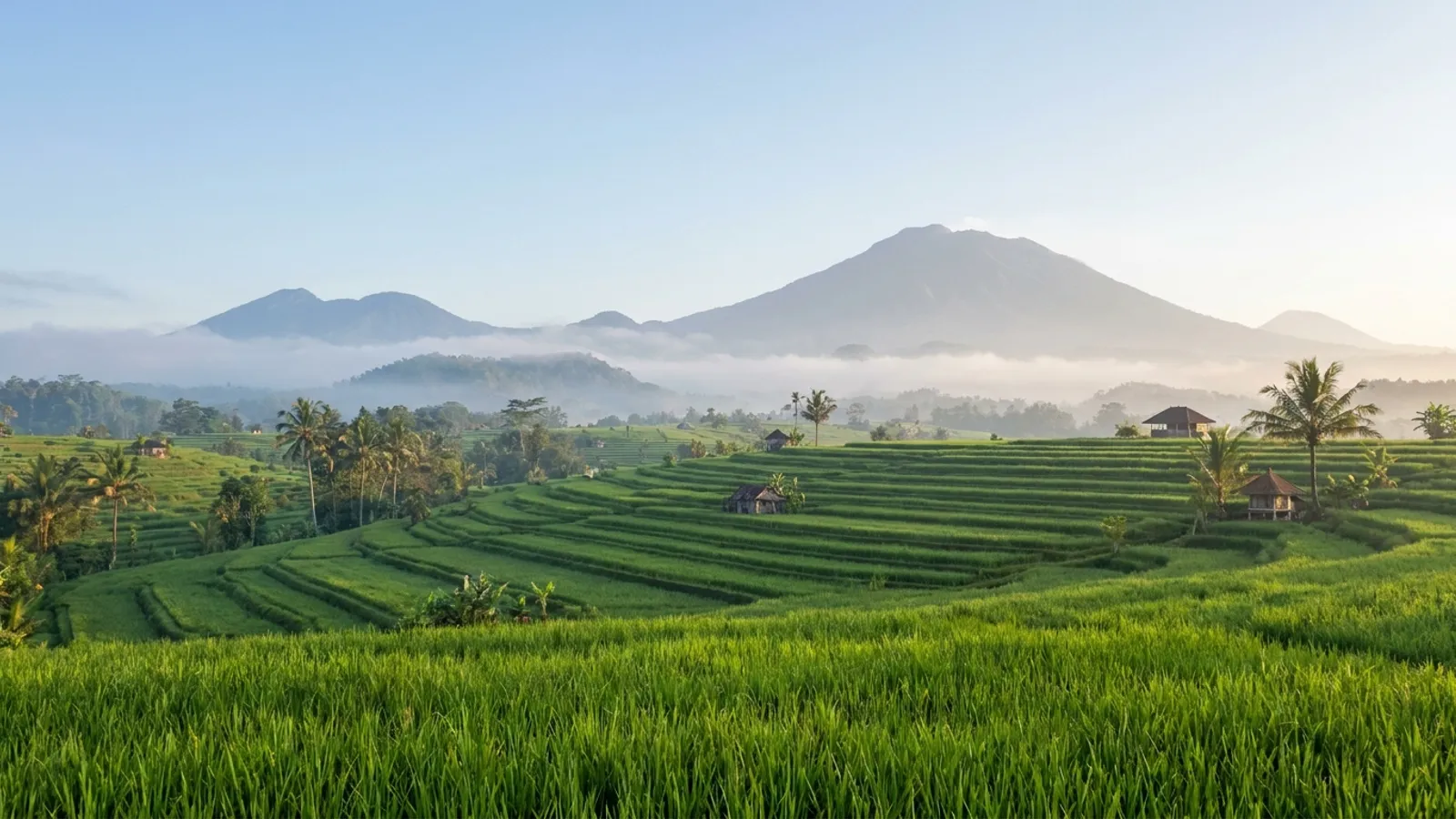
This period marks the transition from the wet to the dry season and is often considered one of the best times to visit. The humidity begins to drop, rainfall lessens significantly, and the days are predominantly sunny. Tourist numbers are still manageable before the peak season truly kicks in, meaning you can often find good value on flights and accommodation. The island is vibrantly green from the recent rains, and the air is fresh. For those seeking a balance of good weather, fewer crowds, and reasonable prices, these months are ideal for a focused healing journey.
July – August: Peak Dry Season & Peak Crowds
These are Bali's busiest and most popular months. The weather is consistently dry, sunny, and relatively cool, with low humidity. This makes it perfect for exploring, hiking, and enjoying the beaches. However, be prepared for significantly higher prices for flights, accommodation, and retreats. Popular areas and attractions will be crowded, and booking well in advance is essential. While the weather is perfect, the bustling atmosphere might detract from a deeply introspective healing experience for some. If your retreat involves outdoor adventures and you don't mind the crowds, this could still be a good option.
September – October: Another Shoulder Season Gem
Following the peak season, September and October offer a fantastic window for a healing retreat. The weather remains excellent – dry, sunny, and pleasant – but the crowds begin to thin out. Prices for flights and accommodation typically start to decrease from their August highs. The ocean is still calm and inviting, and the overall atmosphere is more relaxed than in the peak months. This period strikes an excellent balance between favourable weather conditions and a more serene environment, making it highly recommended for those prioritising peace and value.
November – March: The Wet Season & Quieter Retreats
This period encompasses the wet season. While it rains more frequently, the island is incredibly lush, green, and vibrant. The air is warmer and more humid. The significant advantage of visiting during these months is the dramatic reduction in tourist numbers. This translates to lower prices across the board for flights, accommodation, and often, retreat programmes. If your healing retreat focuses on indoor practices like yoga, meditation, or spa treatments, the rain won't significantly impact your experience. The quieter atmosphere can be deeply conducive to introspection and inner work. Furthermore, the short, intense rain showers often clear to reveal stunning, dramatic skies. Embrace the occasional rain as an opportunity for deep relaxation and connection with nature's abundance. For a comprehensive list of available retreats, explore our Bali healing retreats directory.
Price Seasonality & Your Budget
As touched upon, prices for flights, accommodation, and even some retreat packages fluctuate significantly with the seasons:
- Peak Season (July, August, Christmas/New Year): Expect the highest prices. Book well in advance.
- Shoulder Seasons (April-June, September-October): Good value can be found. Prices are moderate, and there are often early bird discounts for retreats.
- Low Season (November-March, excluding Christmas/New Year): Generally the most affordable time to travel. Excellent deals are often available, making it a great option for budget-conscious travellers or those seeking longer retreats.
Ultimately, the best time to visit Bali for a healing retreat depends on your personal priorities. If pristine weather and outdoor activities are paramount, aim for the dry season shoulder months (April-June, September-October). If solitude, lush landscapes, and budget-friendliness are more important, the wet season (November-March) could be your ideal choice. Regardless of when you choose to go, Bali's inherent magic and the dedication of its wellness community promise a transformative healing journey.
Featured healing retreat
For a truly immersive experience, consider the 'Ubud Rejuvenation Sanctuary Retreat', offering year-round programmes tailored to individual needs amidst the tranquil rice paddies.