Emotional Healing Retreats in Bali: A Journey to Wholeness
Life’s journey inevitably brings moments of challenge, leading to a build-up of emotional baggage. Whether it’s the lingering shadow of grief, the draining exhaustion of burnout, or the constant hum of overwhelm, these experiences can significantly impact our well-being. Recognising the need for a dedicated space to process and release these burdens is the first step towards genuine emotional healing. Bali, with its inherent spiritual energy and focus on holistic wellness, has become a renowned destination for those seeking such profound inner work.
Understanding Emotional Healing: More Than Just 'Feeling Better'
Emotional healing is not simply about suppressing difficult feelings or adopting a perpetually positive outlook. It is a deep, often challenging, process of acknowledging, understanding, and integrating past experiences and their emotional residue. This involves exploring the roots of our pain, developing healthy coping mechanisms, and ultimately fostering resilience and self-compassion. It’s about creating space for difficult emotions, allowing them to be felt without judgment, and then gently releasing their hold. This journey often requires a shift in perspective, moving from a place of reaction to one of conscious response.
For many, the demands of daily life make this kind of introspective work difficult. The constant distractions and responsibilities leave little room for the quiet contemplation necessary for true emotional processing. This is where a structured retreat environment, away from the familiar triggers and pressures, becomes invaluable. It offers a dedicated container for self-discovery and transformation.
Why a Structured Retreat Supports Emotional Reset
A well-designed emotional healing retreat in Bali provides a unique combination of elements that facilitate deep emotional work. Unlike a holiday, which offers temporary respite, a retreat is intentionally structured to guide participants through a process of transformation. Key aspects include:
- Expert Guidance: Retreats are led by experienced facilitators, therapists, and healers who offer a range of modalities – from psychotherapy and counselling to mindfulness, meditation, and energy work. Their expertise helps individuals navigate complex emotions safely and effectively.
- Safe and Supportive Environment: The carefully curated atmosphere of a retreat fosters a sense of psychological safety. This allows participants to drop their guards, explore vulnerabilities, and engage in deeply personal work without fear of judgment.
- Holistic Modalities: Beyond talk therapy, many retreats integrate practices that address the mind, body, and spirit. Yoga, breathwork, sound healing, art therapy, and nature immersion are common components that help release trapped emotions and restore balance.
- Space for Reflection: The absence of daily distractions creates an unparalleled opportunity for introspection. Participants have dedicated time for journaling, meditation, and quiet contemplation, essential for processing insights and integrating new understandings.
- Community and Connection: While much of the work is individual, the shared experience within a small group can be incredibly powerful. Witnessing others' journeys and receiving non-judgmental support fosters a sense of belonging and reduces feelings of isolation.
Addressing Specific Emotional Challenges: Grief, Burnout, and Overwhelm
Emotional healing retreats are particularly effective for navigating specific challenges:
- Grief: Whether from loss of a loved one, a relationship, or a significant life stage, grief is a complex process. Retreats offer a compassionate space to honour pain, process memories, and learn tools for carrying grief forward in a healthy way.
- Burnout: Characterised by emotional, physical, and mental exhaustion, burnout requires significant rest and recalibration. Retreats provide the space to disconnect from stressors, replenish energy, and re-evaluate priorities and boundaries.
- Overwhelm: In a fast-paced world, constant demands can lead to chronic overwhelm. Retreats teach mindfulness, stress-reduction techniques, and strategies for managing information overload, helping individuals regain a sense of control and calm.
Realistic Expectations and Safety Notes
Embarking on an emotional healing journey is a brave step, and it's important to approach it with realistic expectations. Healing is not a linear process; there will be ups and downs. A retreat is a catalyst, providing tools and a foundation, but the ongoing work continues long after you leave. It is not a quick fix, but rather an intensive period of self-exploration that can accelerate your healing journey.
When choosing a retreat, prioritise your safety and well-being. Research facilitators thoroughly, read testimonials, and ensure the retreat's approach aligns with your needs. If you have pre-existing mental health conditions, consult with your healthcare provider before attending, and inform the retreat organisers of any relevant history. A reputable retreat will have clear protocols for supporting participants through emotional intensity.
For more detailed information on selecting the right programme, explore our independent guide to healing retreats in Bali.
Finding Your Path to Wholeness in Bali
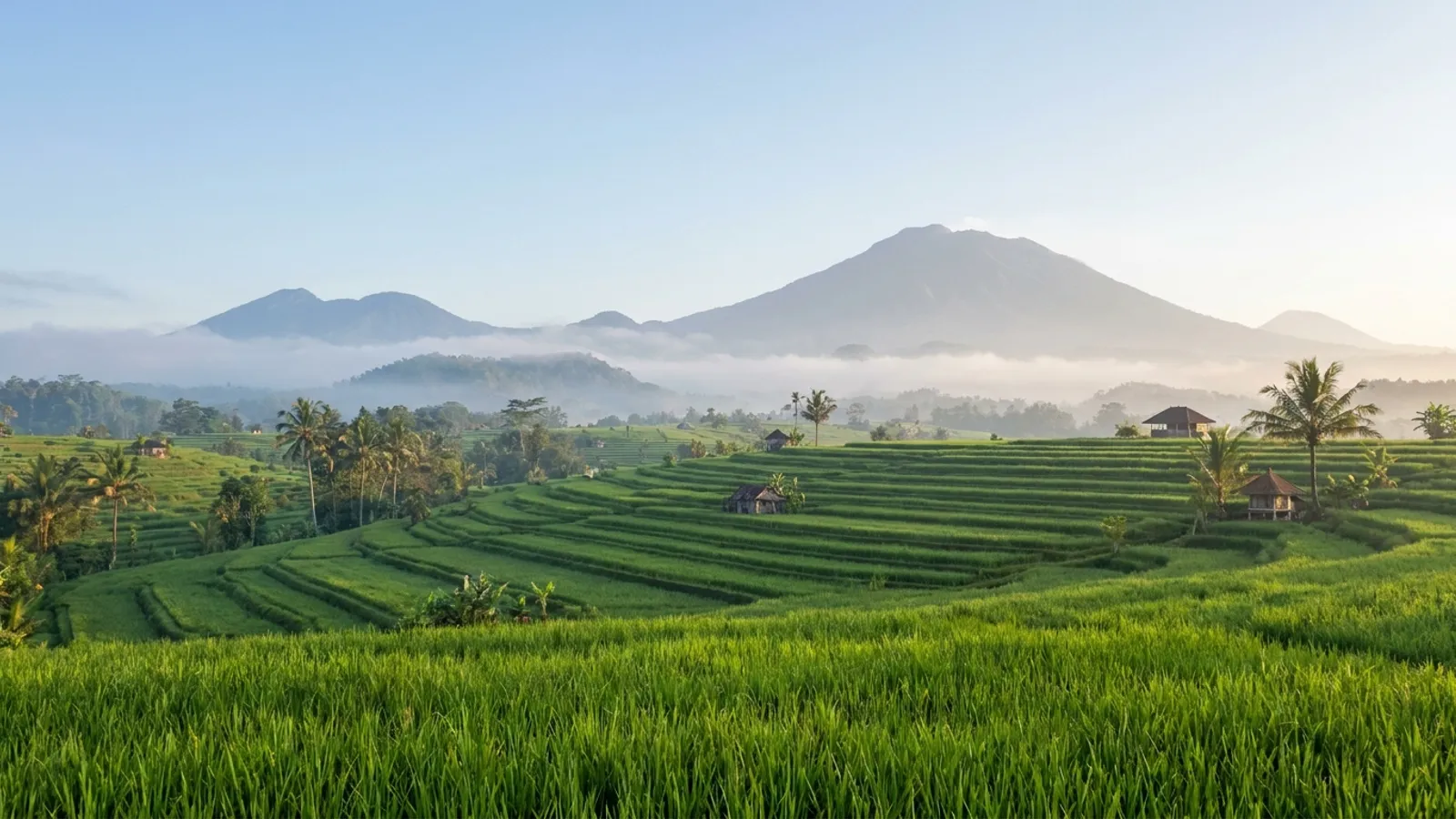
Bali's tranquil environment, combined with its rich spiritual traditions, offers a uniquely supportive backdrop for emotional healing. The island's inherent beauty, from its rice paddies to its sacred temples, often serves as a comforting presence throughout the healing process. By dedicating time and intention to your emotional well-being, you are investing in a healthier, more fulfilling future. Our comprehensive Bali healing retreat guide can help you navigate the options and find the ideal sanctuary for your journey.
Featured healing retreat
Discover a curated selection of reputable emotional healing retreats in Bali that align with your specific needs and intentions. Visit our homepage for an overview of the finest options, each offering a unique path to inner peace and profound transformation. Explore our top recommendations here.