In an increasingly noisy world, the concept of a silent retreat offers a profound counterpoint – a dedicated period away from speech, digital distractions, and often, even eye contact. While it might sound daunting to some, a silent retreat in Bali can be an incredibly potent pathway to deep introspection, emotional release, and spiritual renewal. Bali, with its inherent tranquillity and spiritual reverence, provides an ideal backdrop for such a journey, allowing participants to delve into their inner landscape amidst unparalleled natural beauty.
What Exactly is a Silent Retreat?
At its core, a silent retreat is a structured period of time, typically ranging from a few days to several weeks, where participants commit to refraining from verbal communication. This extends beyond just not speaking; it often includes abstaining from reading, writing, using electronic devices, and sometimes even making eye contact or engaging in gestures. The intention is to minimise external stimuli and distractions, creating an environment conducive to deep self-reflection, mindfulness, and inner peace. While the 'silence' is the most defining characteristic, these retreats are rarely just about quietude; they are often integrated with practices such as meditation, yoga, mindful walking, and contemplative inquiry, all designed to facilitate a deeper connection with oneself.
A Typical Day on a Silent Retreat
While each retreat centre will have its own unique schedule, a typical day on a silent retreat is highly structured, designed to support the practice of mindfulness and introspection. Here’s what you might expect:
Early Morning:
The day often begins before sunrise, perhaps around 5:00 or 6:00 AM, with a wake-up bell. The first session is usually a period of meditation – either sitting or walking – designed to establish a calm and focused mind for the day ahead.Morning:
Following a light, silent breakfast, there might be a yoga session to gently awaken the body, or further periods of sitting and walking meditation. Some retreats include a dharma talk or instruction from a teacher, delivered silently or with minimal, purposeful speech, offering guidance on mindfulness practices.Afternoon:
The afternoon typically involves more meditation, perhaps interspersed with periods of mindful work (karma yoga) such as gardening or light chores, or free time for personal reflection, journaling (if permitted), or gentle walks in nature. All activities are undertaken in silence.Evening:
The day usually culminates with an evening meditation session, sometimes followed by a short talk or a Q&A session where participants can submit written questions to the teacher. A light, silent dinner precedes a final period of reflection before an early bedtime, preparing for another day of practice.
Throughout the day, meals are taken in silence, often mindfully, allowing participants to fully experience the act of eating without distraction. Breaks are also observed in silence, encouraging a continuous state of mindful awareness.
The Profound Benefits of Embracing Silence
The practice of silence offers a surprising array of benefits, both psychological and physiological:
Deepened Self-Awareness:
Without the constant chatter of external input, the mind naturally turns inward. This allows for a deeper understanding of one's thoughts, emotions, and behavioural patterns.Reduced Stress and Anxiety:
Stepping away from daily pressures and the demands of communication can significantly lower stress levels, promoting a profound sense of calm and relaxation.Enhanced Focus and Clarity:
The absence of distractions sharpens concentration, improving cognitive function and leading to greater mental clarity.Emotional Processing:
Silence provides the space for unresolved emotions to surface and be processed, often leading to significant emotional healing and release. Many emotional healing retreats in Bali integrate periods of silence for this very reason.Improved Sleep:
The reduction in mental stimulation and stress often results in deeper, more restorative sleep.Spiritual Connection:
For many, silence opens a pathway to a deeper spiritual connection, fostering a sense of peace, interconnectedness, and purpose. This makes silent retreats a natural fit for those seeking spiritual retreats in Bali.
Who is a Silent Retreat For?
A silent retreat is not for everyone, but it can be incredibly beneficial for:
Those Seeking Clarity:
If you're at a crossroads in life, feeling overwhelmed, or struggling to make decisions, silence can offer the space needed to gain perspective.Individuals Experiencing Burnout or Stress:
The opportunity to completely disconnect and rest the mind can be profoundly restorative for those suffering from chronic stress or burnout.Practitioners of Meditation and Yoga:
Experienced meditators often find silent retreats deepen their practice significantly. Even beginners can benefit, provided they are open to the challenge. Many meditation retreats in Bali incorporate elements of silence.Anyone Desiring Deep Self-Exploration:
If you're curious about your inner workings and wish to understand yourself on a more profound level, a silent retreat can be a powerful tool.Those Needing a Digital Detox:
For anyone feeling overly tethered to their devices, a silent retreat offers a complete and enforced break.
It's important to approach a silent retreat with an open mind and a willingness to sit with discomfort, as challenging emotions and thoughts often arise when external distractions fade.
Preparing for Your Silent Retreat in Bali
Preparation is key to a successful silent retreat experience:
Mental Preparation:
Understand that it will be challenging. Set realistic expectations and cultivate an attitude of acceptance for whatever arises. Read testimonials or books about silent retreats to familiarise yourself with the experience.Practical Arrangements:
Inform family and friends that you will be incommunicado. Arrange for any necessary responsibilities to be covered during your absence.Packing Essentials:
Pack comfortable, modest clothing suitable for meditation and yoga. Bring a refillable water bottle, a journal (if permitted by the retreat), any necessary medications, and perhaps a shawl or light blanket for meditation sessions. Leave all non-essential items, especially electronics, at home.Gradual Disconnection:
In the days leading up to the retreat, try to gradually reduce your screen time and social interactions to ease the transition into silence.
Silence in Bali Healing Retreats
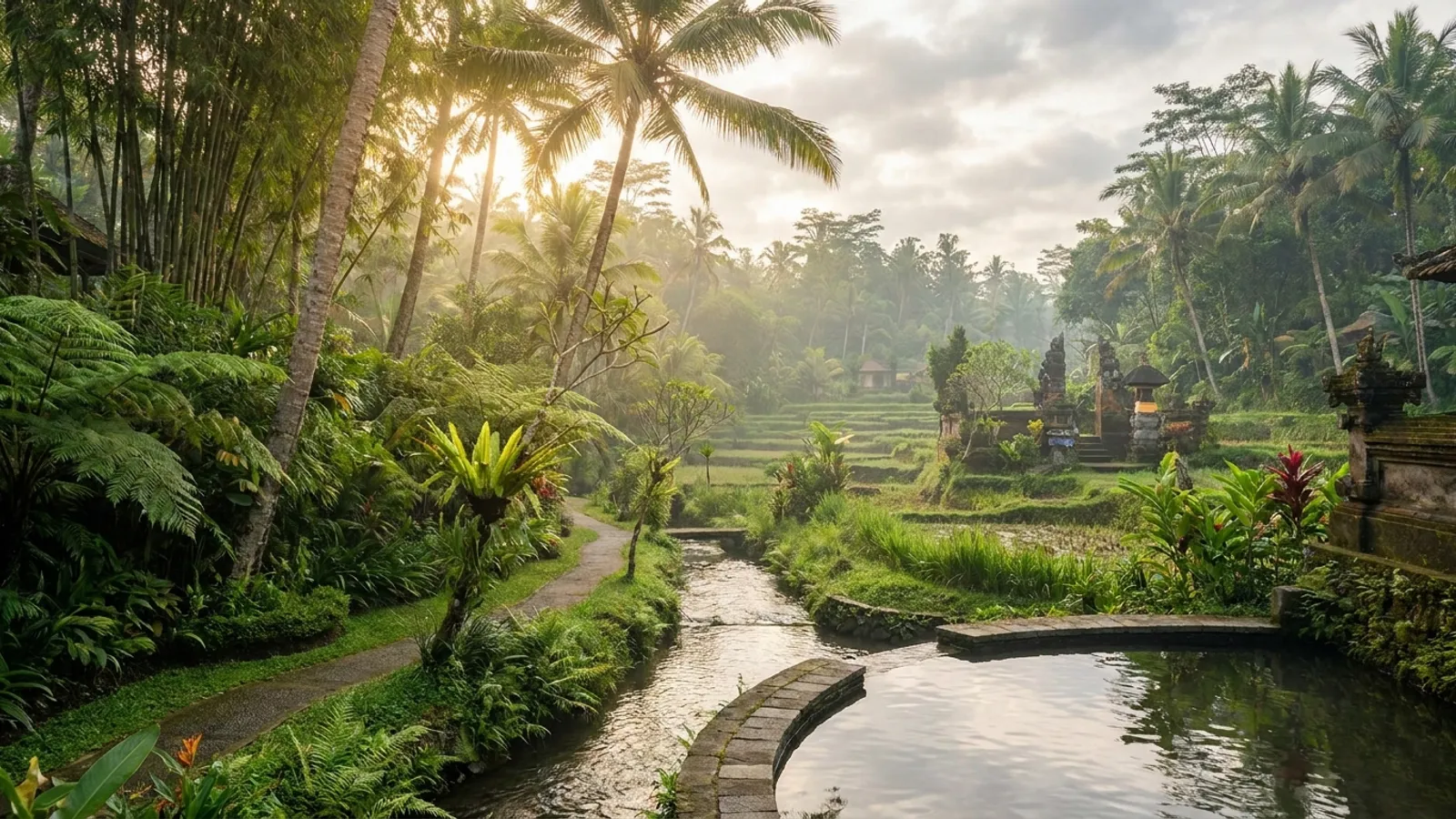
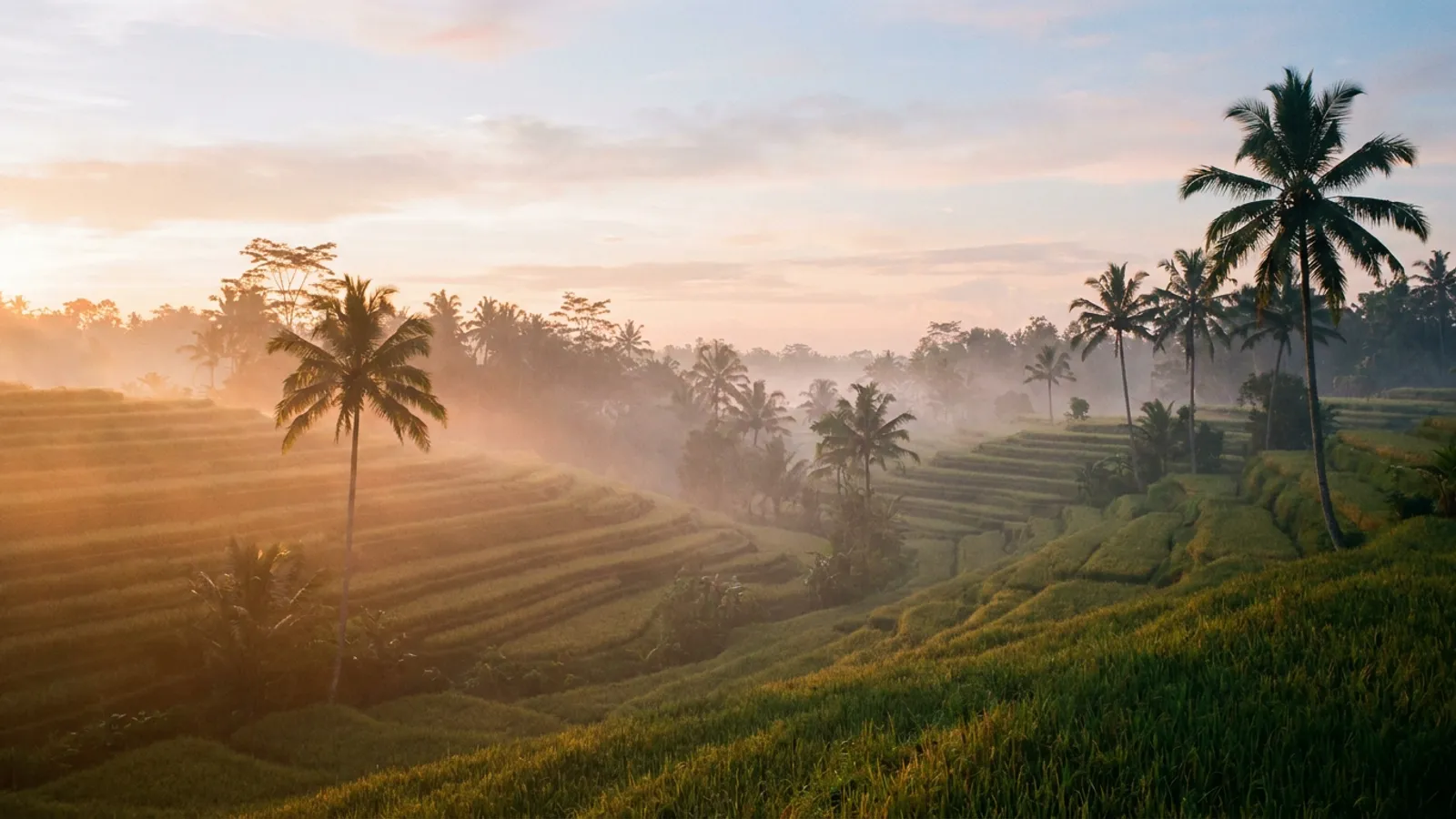
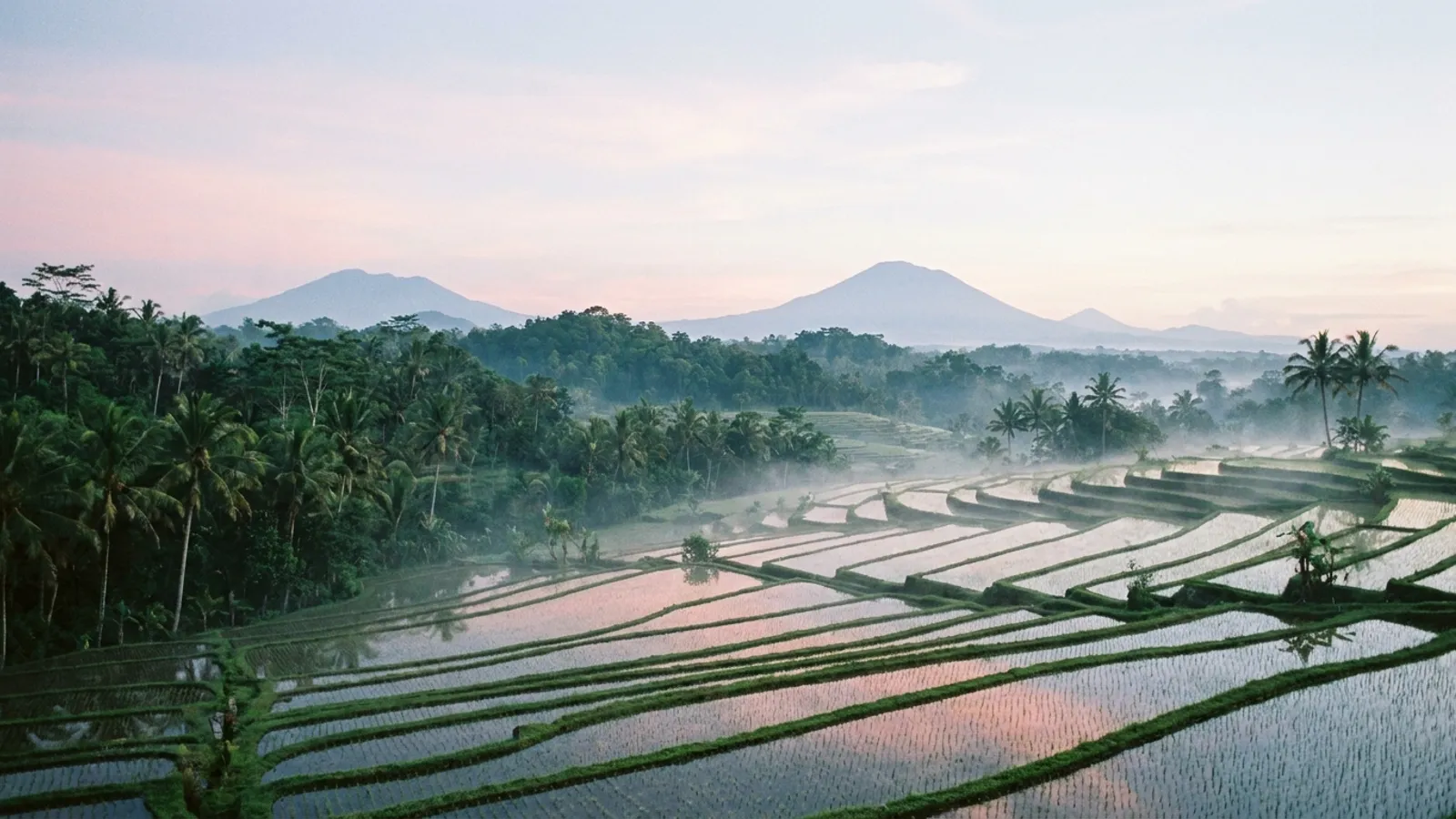
While dedicated silent retreats are a specific offering, the principle of integrating silence and quiet contemplation is woven into the fabric of many healing retreats across Bali. The island's natural beauty – from its verdant rice paddies and lush jungles to its serene beaches and powerful volcanoes – inherently encourages introspection. Many wellness centres and retreats in Bali incorporate periods of silence during yoga or meditation sessions, mindful meals, or dedicated periods of personal reflection. This allows participants to absorb the healing energy of the island and connect more deeply with their inner selves, even if the entire retreat isn't strictly silent. Whether it's a dedicated Vipassana experience or a wellness programme that values quiet reflection, Bali provides the perfect sanctuary for those seeking to quiet the mind and listen to the wisdom within.
How Healing Retreat Bali can help
If you're seeking a silent retreat or any other form of healing experience, our comprehensive guide to Bali's best offerings can help you find the perfect match. Explore the full guide to healing retreats in Bali to discover the retreat that resonates with your journey towards inner peace and profound well-being.